MSFS 2024 Status:
Investigating Marketplace
Support the site - donate!

Nato Atp-3.3.8.1 |link|

Option 1: Professional/Industry Focus (Best for LinkedIn/Twitter)

The is designed for low-risk operations, typically involving smaller, simpler UAS. These missions are characterized by flight within the Visual Line of Sight (VLOS) of the operator, at altitudes generally below 400 feet (122 meters), and within uncongested, Class G airspace. This category is aimed at tactical units at the squad or platoon level, performing basic tasks such as "over-the-hill" reconnaissance or routine patrols with small UAS (often under 25 kg). nato atp-3.3.8.1

The Allied Tactical Publication (also referred to as ATP-8.1 in some contexts) is the cornerstone NATO doctrine for Guidance for the Employment of Unmanned Aircraft Systems (UAS) . As drone technology reshapes modern warfare, this document provides the standardized framework necessary for 32 nations to operate UAS effectively, safely, and cohesively in contested environments. The Foundation of NATO UAS Doctrine The Allied Tactical Publication (also referred to as ATP-8

: Coordinating Intelligence, Surveillance, and Reconnaissance flights to map enemy positions. typically involving smaller
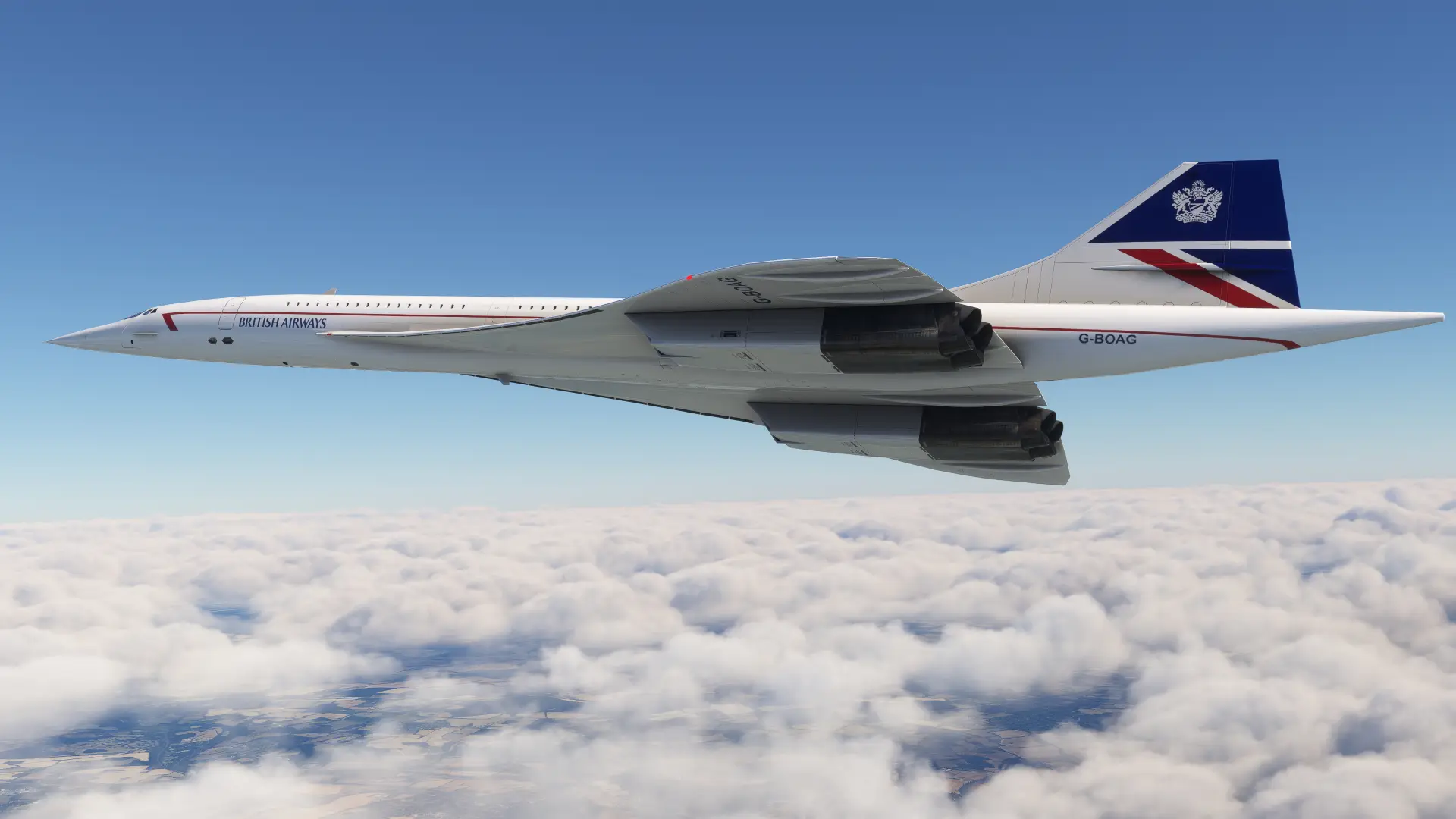
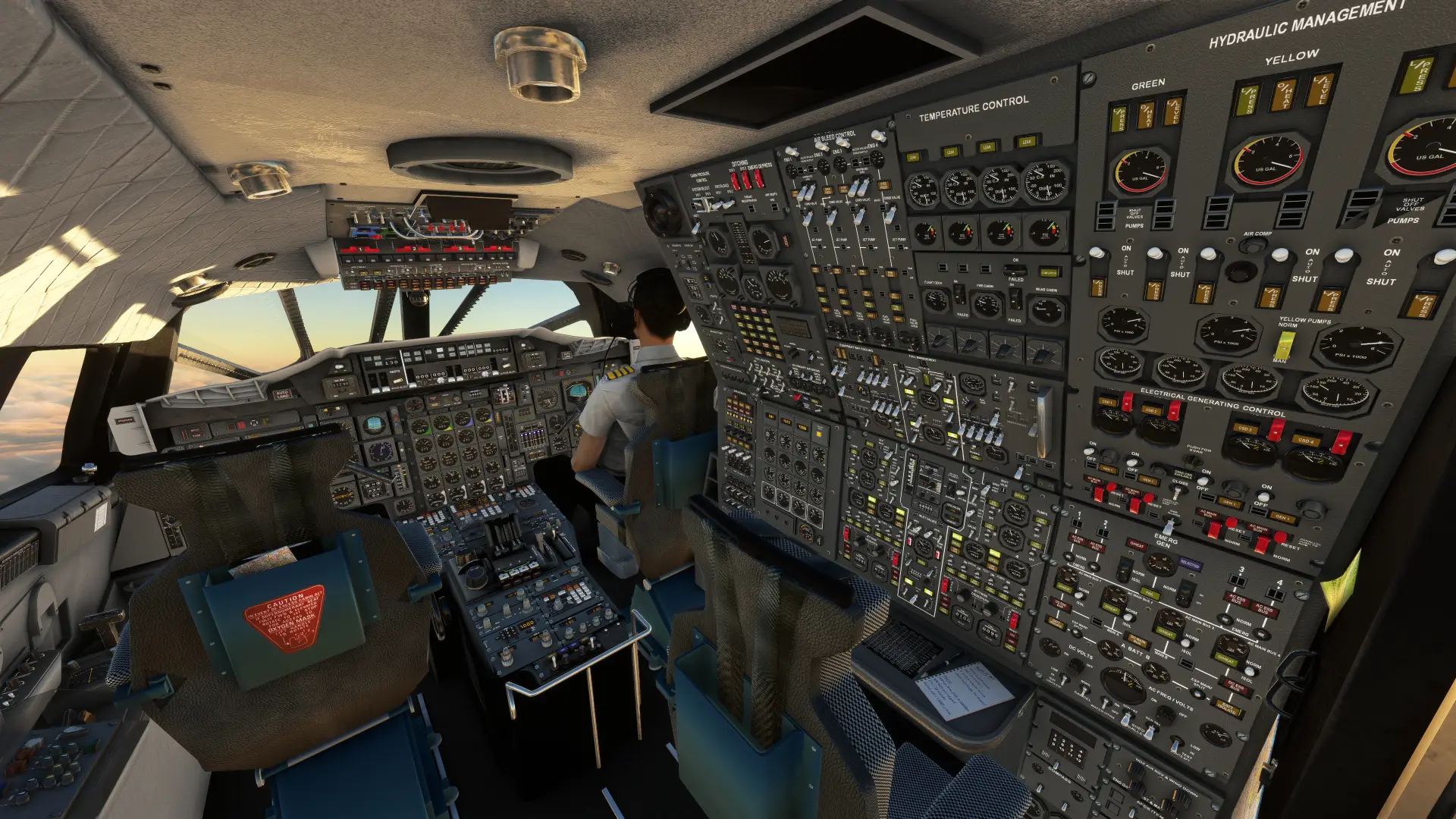
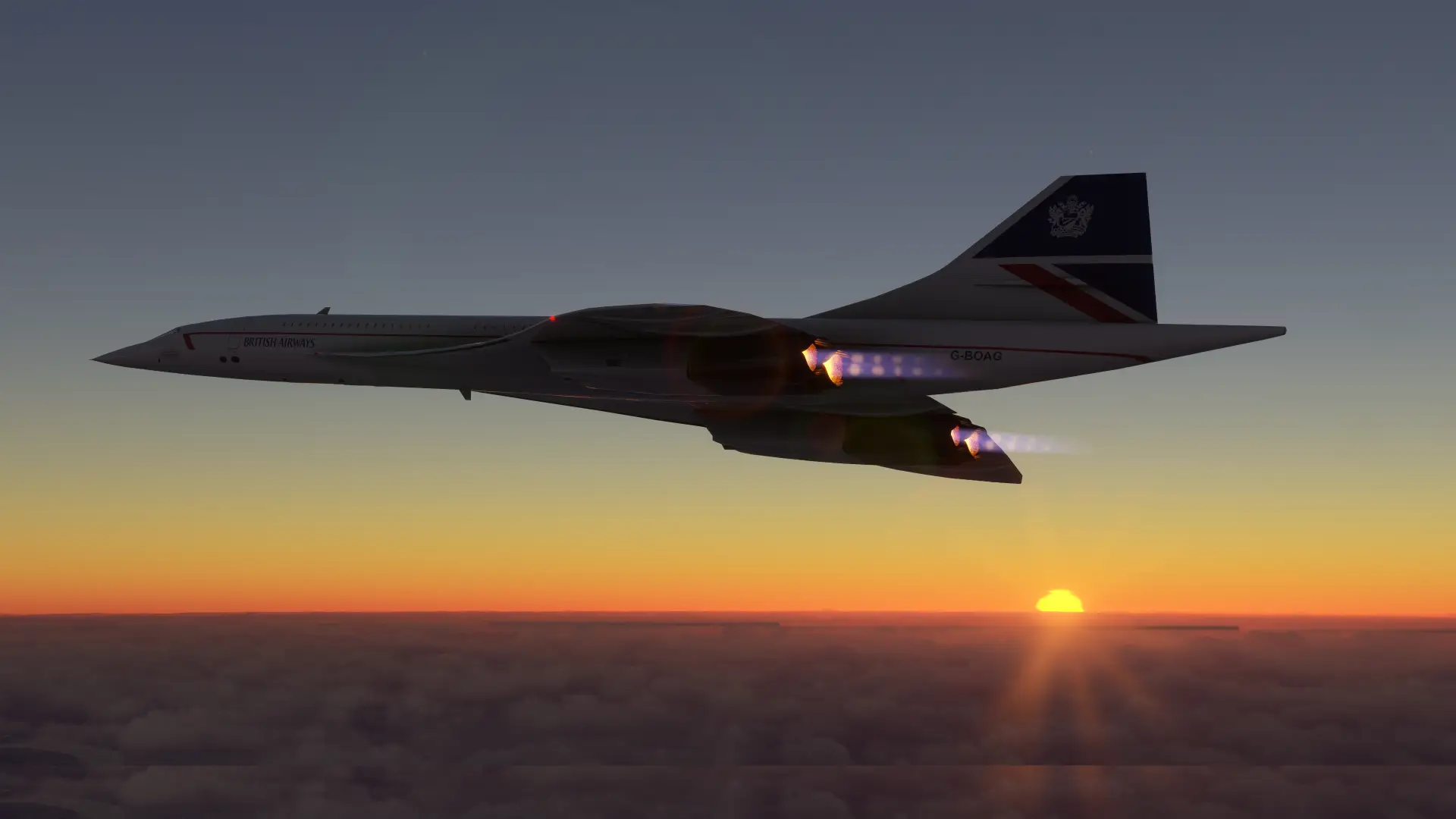
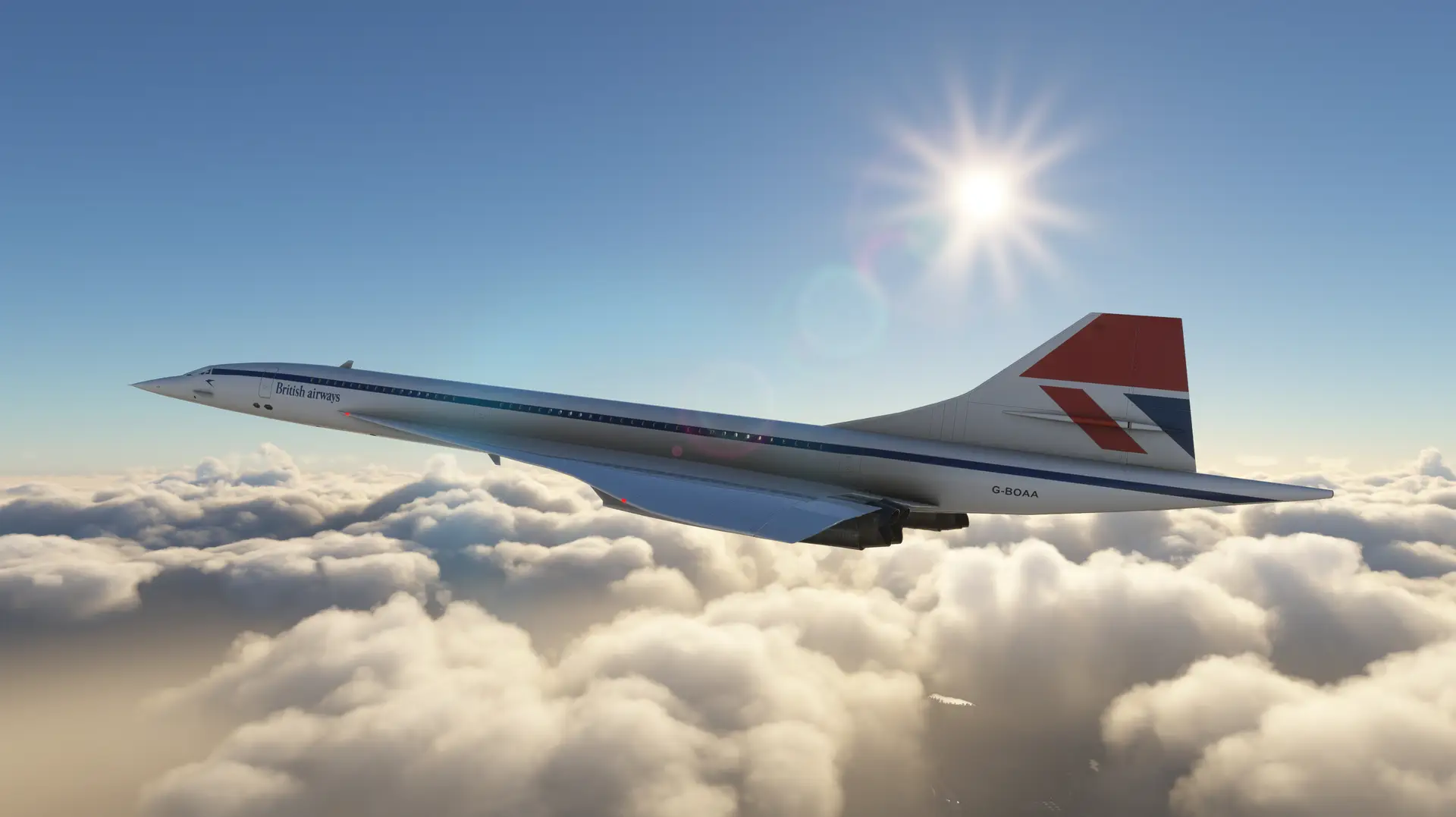
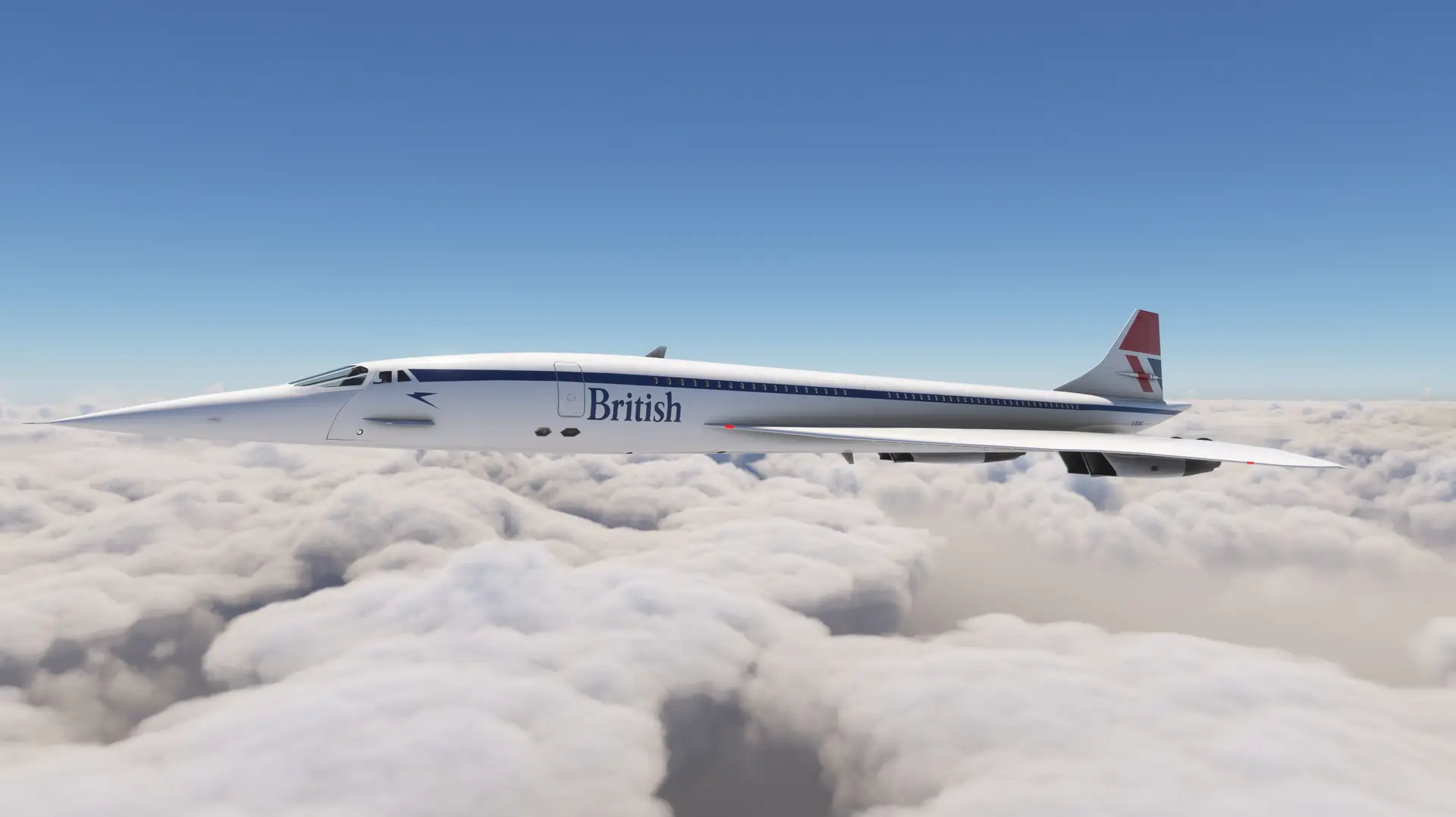
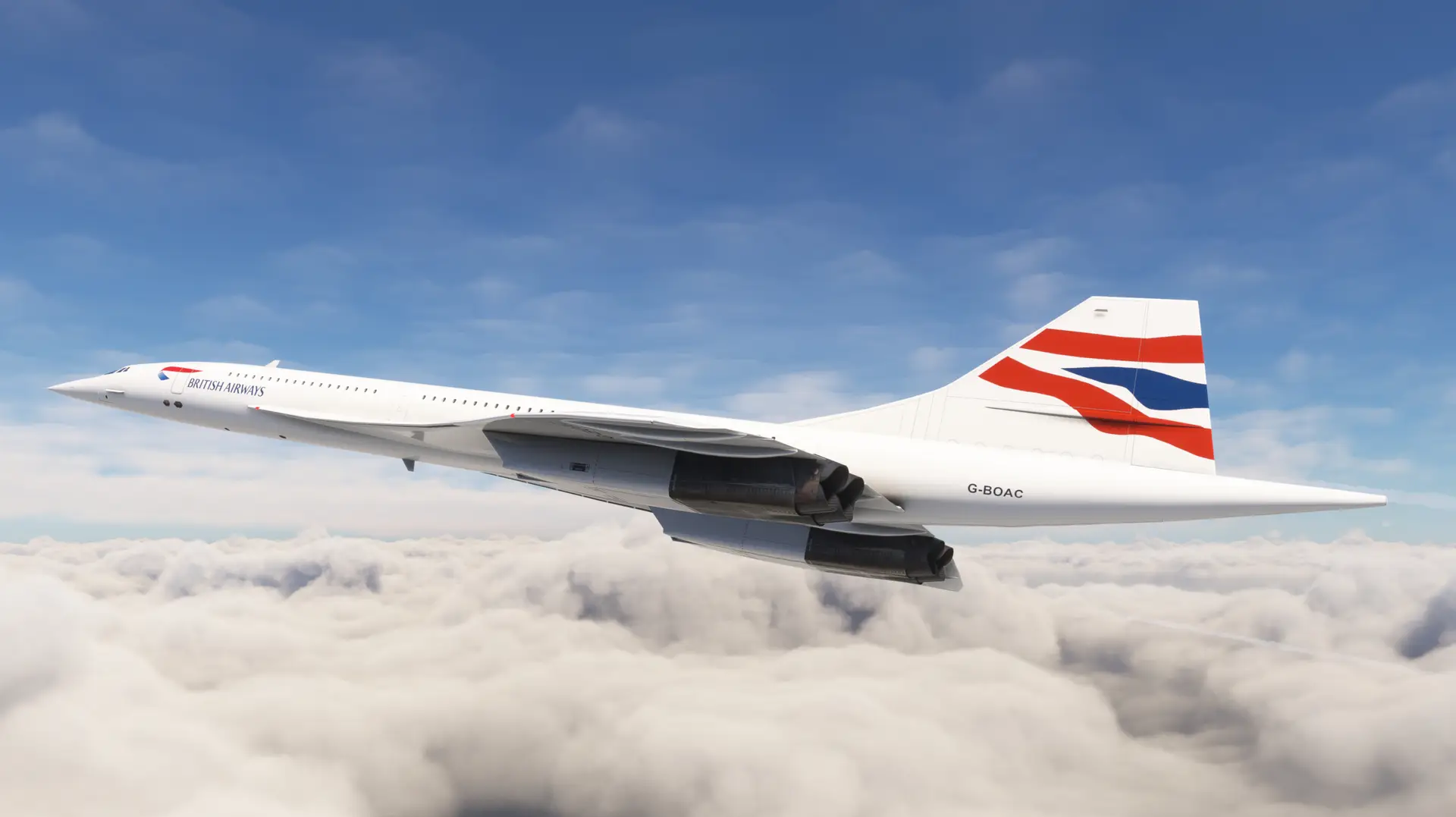
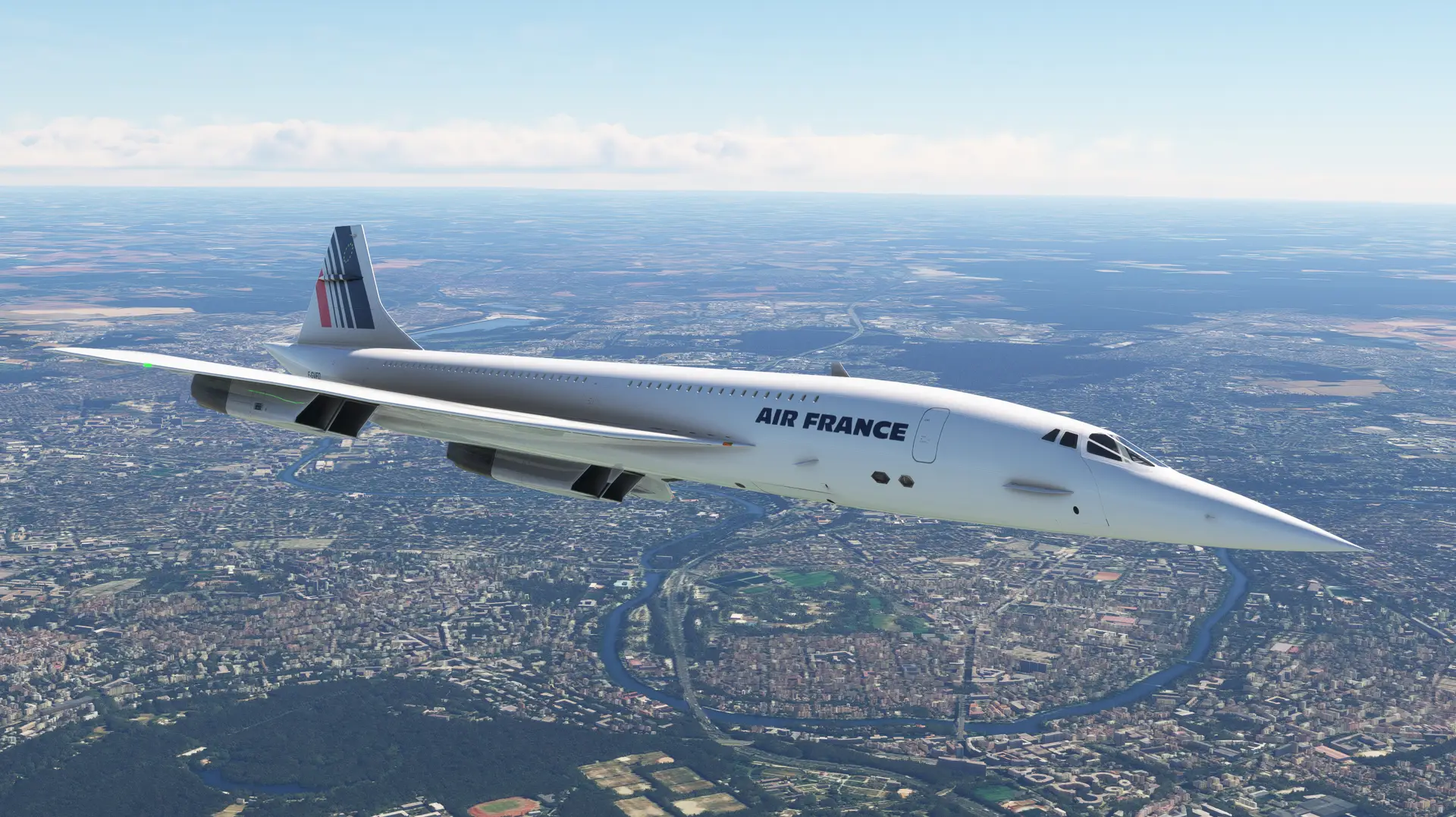
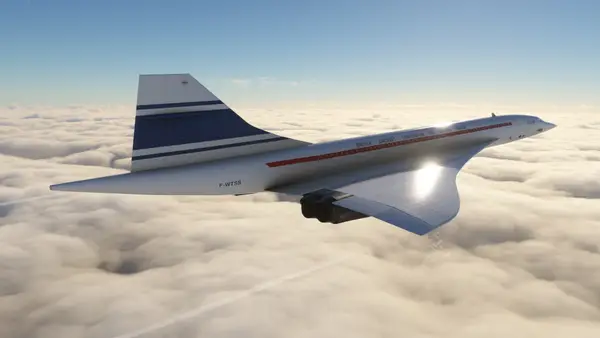
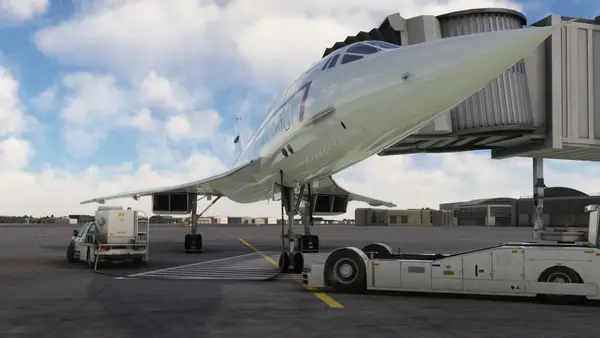
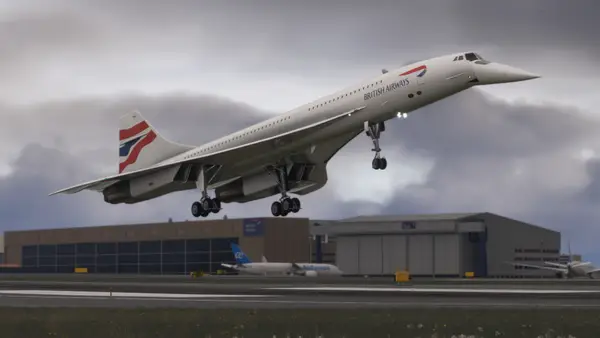
A marvel of aerospace engineering, Concorde is a supersonic passenger airliner produced jointly by France’s Aérospatiale and the British Aircraft Corporation. The aircraft, which took its first flight in March of 1969, can carry up to 128 passengers at a top speed of Mach 2.04 (1,354 miles per hour), to a ceiling of 60,000 feet, with a range of nearly 4,500 miles.

While a number of airlines expressed initial interest in purchasing Concordes, only 20 were eventually built before the airframe was retired in 2003. Six of these were developmental, seven were used by British Airways, and seven by Air France.

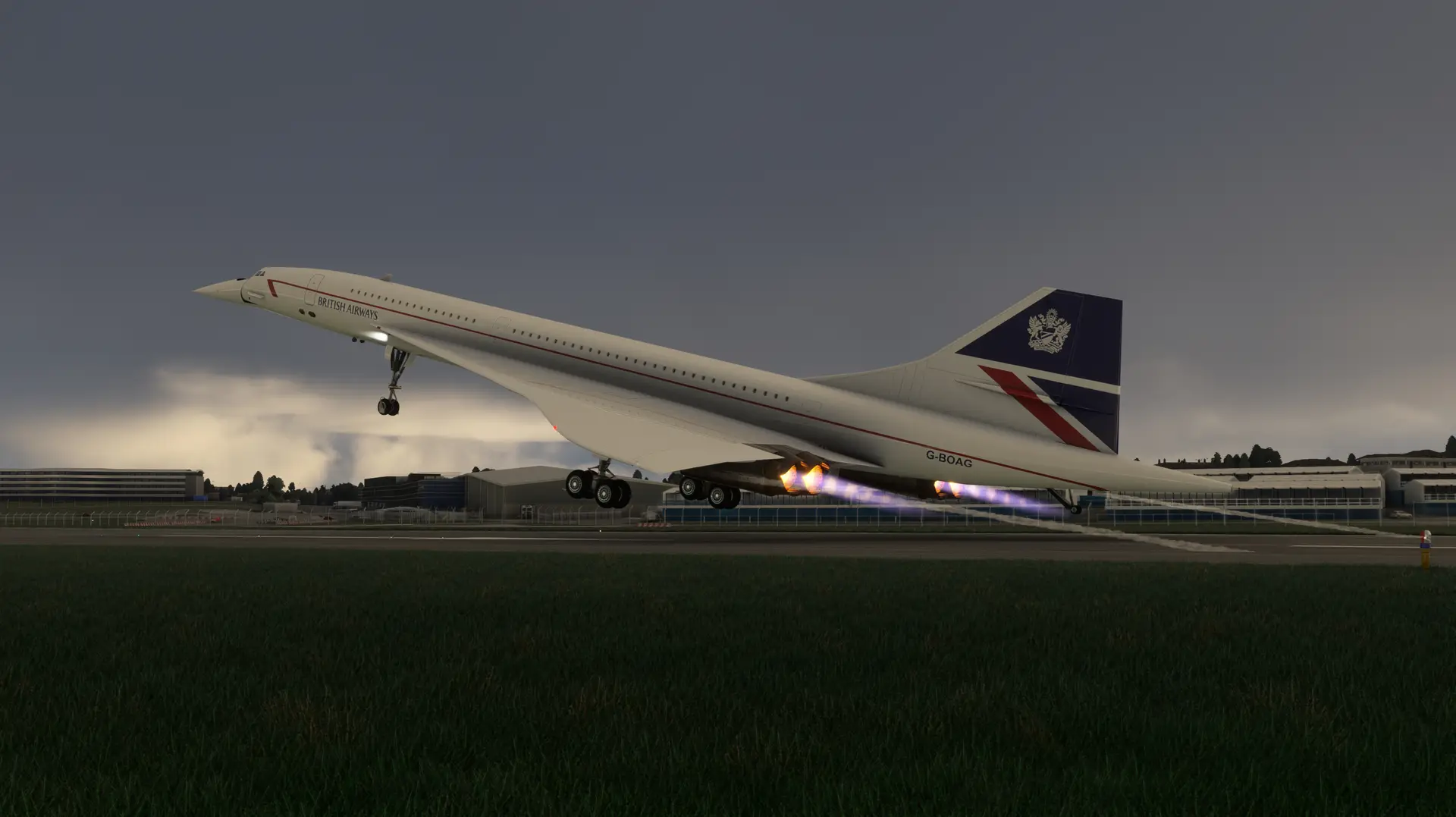
Constructed of special aluminum alloys that withstand the high temperatures generated by supersonic flight, the aerodynamically-optimized Concorde features a sleek delta wing with an 84-foot span, a drooping nose for takeoff and landing visibility, fly-by-wire controls, and four Rolls Royce / Snecma Olympus afterburning turbojets that deliver a maximum total 152,200 pounds of thrust.

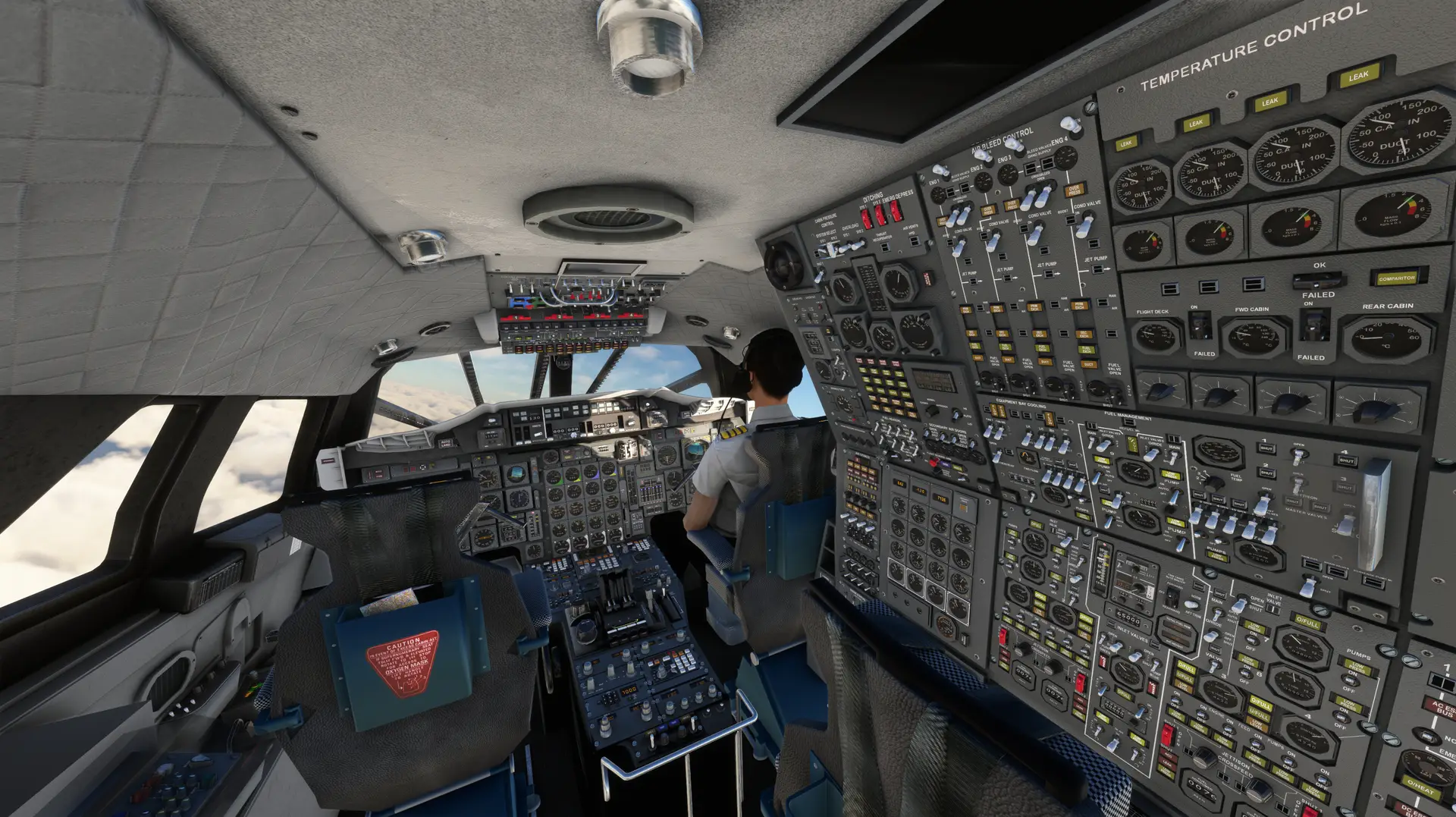
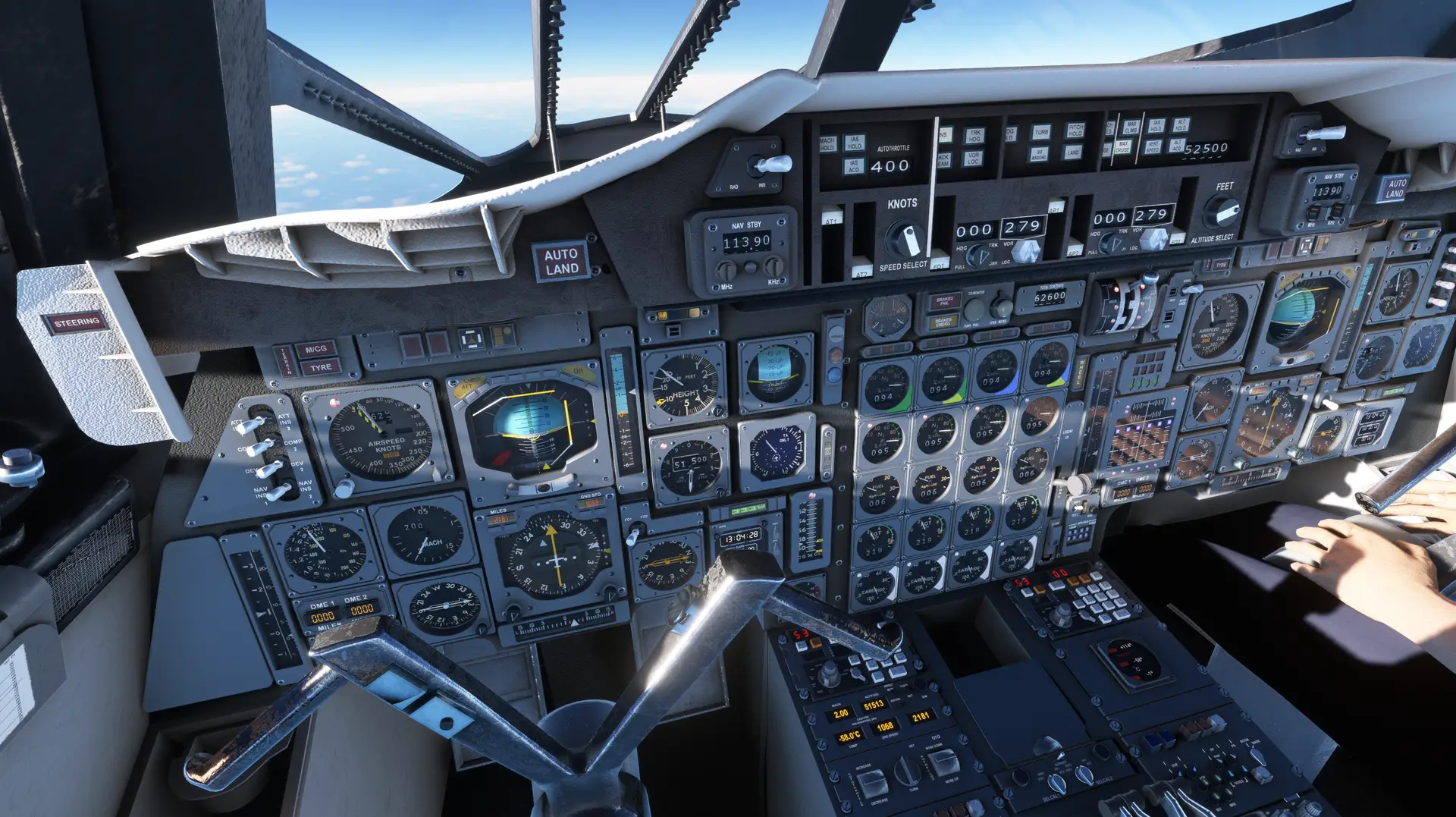
Rocket into the sky and settle into a supersonic cruise at a stratospheric altitude, then marvel at being able to see the curvature of the earth. As the muscular Olympus engines keep this iconic craft searing through the heights, and the densely-packed gauges and indicators calculate every aspect of the airliner and its performance, one thing becomes undeniably clear: piloting a Concorde is an experience like none other.

nato atp-3.3.8.1
nato atp-3.3.8.1
nato atp-3.3.8.1
nato atp-3.3.8.1
nato atp-3.3.8.1
nato atp-3.3.8.1
nato atp-3.3.8.1
nato atp-3.3.8.1
nato atp-3.3.8.1
nato atp-3.3.8.1
nato atp-3.3.8.1
nato atp-3.3.8.1
nato atp-3.3.8.1
nato atp-3.3.8.1