Catalog
Novelty
The School-Based Assessment (SBA) is a critical, practical component of the CAPE Environmental Science course. The syllabus has transitioned to a focus on a as the core of the SBA. This project allows you to explore a specific environmental issue, apply scientific methods, and develop key skills in data collection and analysis. Using the syllabus to understand the SBA's requirements is just as important as using it for the written exam.
Accessing a is the first step toward mastering the subject. By choosing reputable, up-to-date sources and actively engaging with the material—specifically targeting the four main modules—you can build a solid foundation for your exams. Ensure you look for materials that include recent environmental statistics and Caribbean case studies.
Identifies types of pollution (air, water, soil) and management strategies like the (Reduce, Reuse, Recycle). Explores international agreements like the Kyoto Protocol and local legislative frameworks. Where to Find Study Materials
The potential for solar, wind, geothermal, and hydropower in the Caribbean context.
Deep scientific explanations, excellent chapters on energy systems and pollution mechanics.
They trust us






News

TEMPER PLANT LAUNCHES PRODUCTION OF THREE-ECCENTRIC BUTTERFLY VALVES
13.02.2026

TEMPER EXPANDS THE RANGE OF BRASS FILTERS
30.12.2025

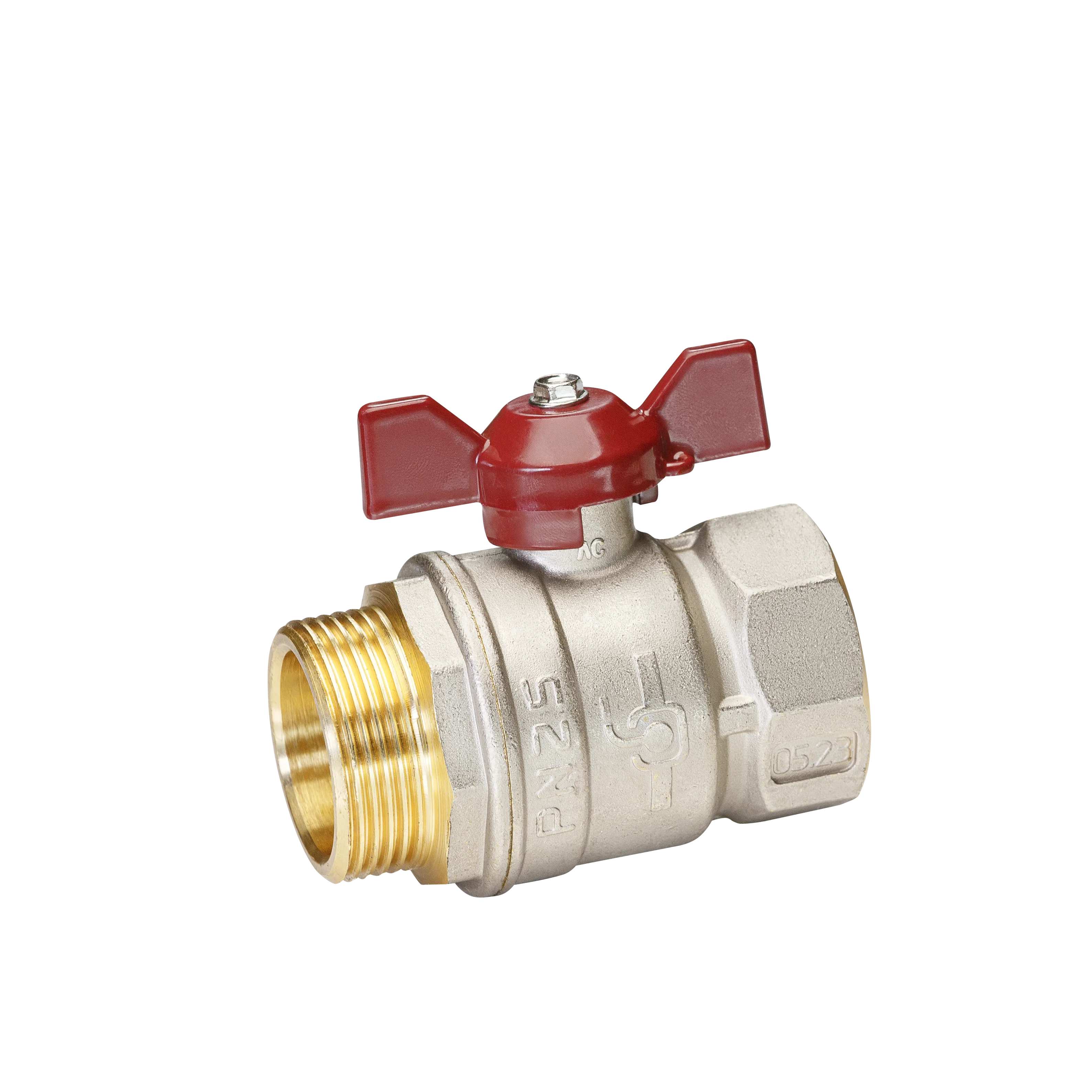
TEMPER LAUNCHES A NEW PRODUCT: BRASS BALL VALVES WITH MALE-MALE THREAD
01.12.2025

OUR SOLUTIONS FOR THE OIL AND GAS INDUSTRY WERE PRESENTED AT ZARUBEZHNEFT'S SUPPLIER DAY
28.11.2025
About company
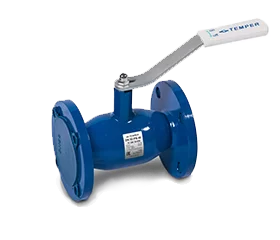
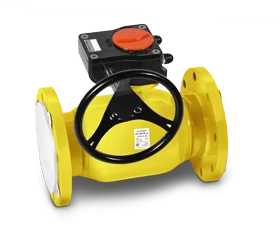
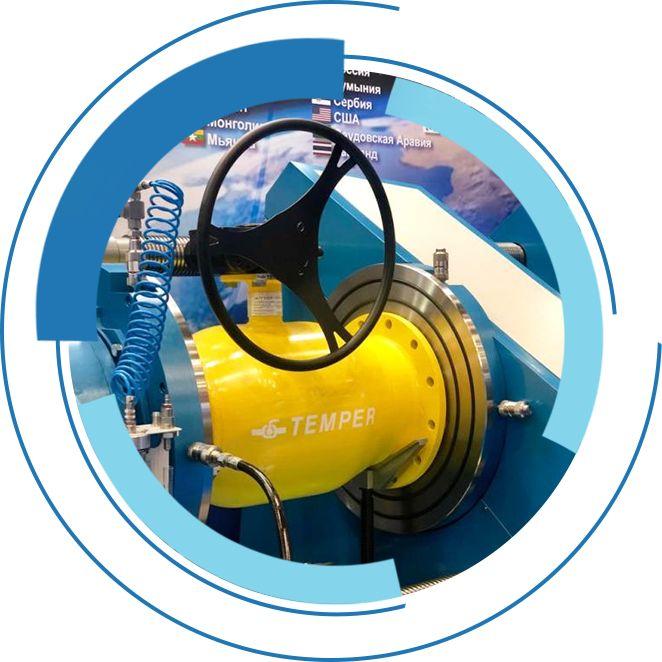
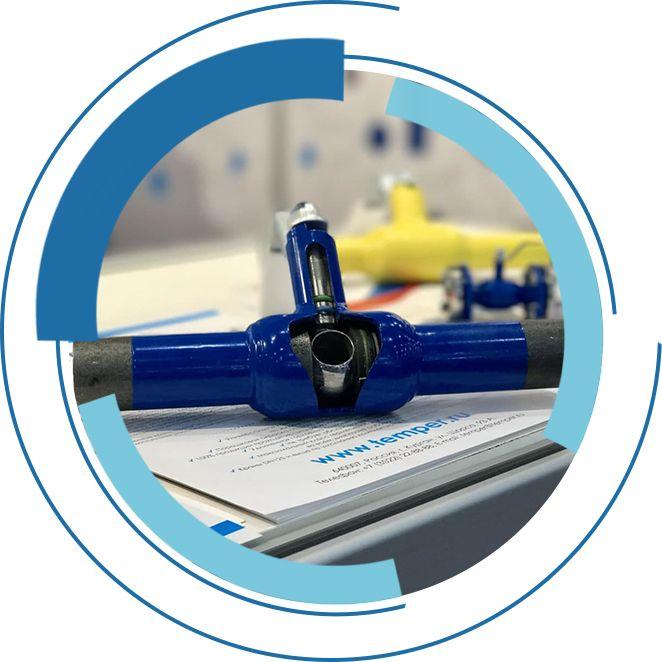
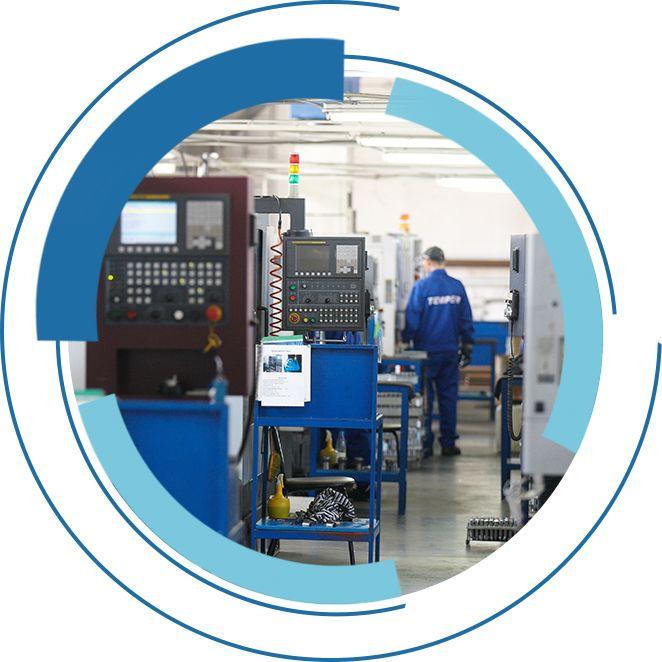
LLC TEMPER - the Russian plant on serial production of steel ball valves. The flexibility of the production process allows in the shortest possible time to solve the tasks set by customers, both in terms of production and execution options. Ball valves "TEMPER" are designed for installation in pipelines intended for transportation of oil and gas, heat supply systems, process pipelines, various units.

Production capacity
Cranes per month

Export
Countries

Dealers and partners

Units
The School-Based Assessment (SBA) is a critical, practical component of the CAPE Environmental Science course. The syllabus has transitioned to a focus on a as the core of the SBA. This project allows you to explore a specific environmental issue, apply scientific methods, and develop key skills in data collection and analysis. Using the syllabus to understand the SBA's requirements is just as important as using it for the written exam.
Accessing a is the first step toward mastering the subject. By choosing reputable, up-to-date sources and actively engaging with the material—specifically targeting the four main modules—you can build a solid foundation for your exams. Ensure you look for materials that include recent environmental statistics and Caribbean case studies.
Identifies types of pollution (air, water, soil) and management strategies like the (Reduce, Reuse, Recycle). Explores international agreements like the Kyoto Protocol and local legislative frameworks. Where to Find Study Materials
The potential for solar, wind, geothermal, and hydropower in the Caribbean context.
Deep scientific explanations, excellent chapters on energy systems and pollution mechanics.

Вход